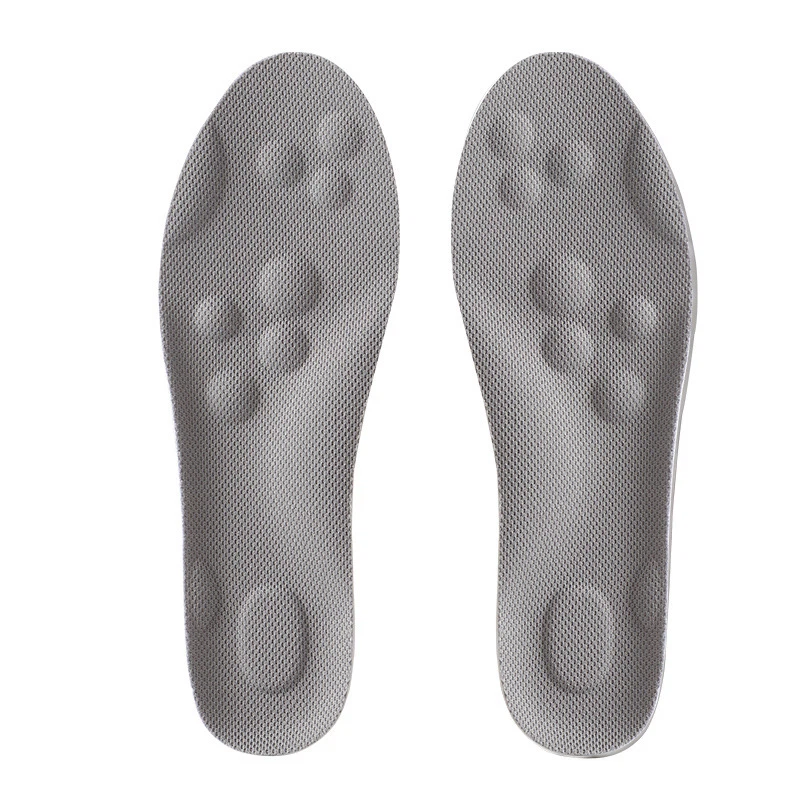
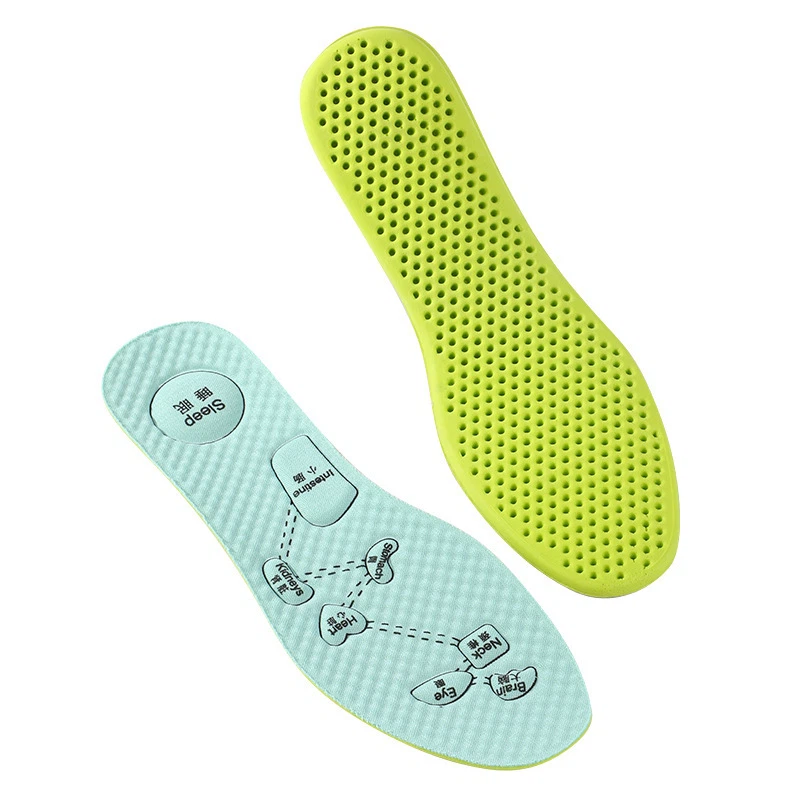
The appropriate thickness range of children's insoles is 0.5 cm to 1 cm. This thickness range is more beneficial to the development of the baby's feet, because too thick insoles will cause strenuous foot movement, easily cause foot fatigue, and then affect the health of the knee joints and waist. In addition, too thick insoles will also destroy the force balance of the feet, and have a Bebeğin ayaklarının eklem yapısı ve omurganın fizyolojik eğrisi üzerinde uzun süreli etki.
When choosing suitable children's insoles, you should not only pay attention to the thickness, but also consider the material and hardness of the insoles. Too soft insoles cannot support the soles of the feet, which may cause the outside of the soles of the feet to land, affecting the growth of the longitudinal arch on the outside of the feet. At the same time, the insulation effect is poor, the shock absorption effect is small, and it is Bebeğin ayak bileklerine zarar vermesi kolay . Bu nedenle, yeterince destek sağlayabilen ve bebeğin ayaklarına zarar verebilen ılımlı sertlik ve yumuşaklık ile tabanlık seçmek daha uygundur .
Ayrıca, çocuk tabanlarını seçerken aşağıdaki noktalar not edilmelidir:
Çok kalın tabanlardan kaçının: Ayak yorgunluğunu ve eklem hasarını azaltmak için tabanın kalınlığı 1 cm'yi geçmemelidir .
Çok yumuşak tabanca : Çok yumuşak tabanca destek sağlayamaz ve düz ayak ve ayak bileği yaralanmalarına neden olabilir .
Sağ ayak parmağı şeklindeki şekillendirin: Yuvarlak veya geniş ayak parmakları, ayak parmaklarının ayakkabının birbirini sıkmasını önleyebilir, bu da bebeğin ayak parmaklarının gelişimine faydalıdır .